JUAN
MANUEL FANGIO (1911-1995)
-----
World Champion in 1951, 1954, 1955, 1956 and 1957 |
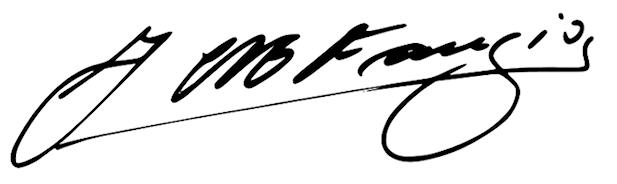
The
Argentine Juan Manuel Fangio was born in Balcarce in 1911. He was the onldy
one driver who was five times World Champion. Besides these titles he also
was a Vice-World Champion two times.
Fangio obtained first successes in the European motor racing only at
a "high" age of 37 years. But then it went on in rapid succession. In 1950
he joined the new founded Formula One and became Vice-World Champion in
his first year behind Nino Farina. In the following year he could win the
title for the first time.
In 1952 he had a serious accident in Monza and broke his neck. He struggled
for his life for several hours. The accident happened because Fangio promised
to take part at the race in Monza after his race in Budapest. Because he
missed the connection he had to drive himself the whole night from Paris
to Monza. Only half an hour before the race began he arrived and took up
his starting position completely overtired.
Thenext year he came back to the racing track and finished the World
Championship on second place.
In 1954 Fangio left Maserati and went to Mercedes where he won his second
World Champion title. In the following three years nobody was able to defeat
him and he won the title four times in a row.
In 1958 Fangio drove his last race at the Grand Prix of France and afterwards
retired. His result of victories compared with his starts will probably
never been exceeded.
|
Grand Prix Starts 1950-1958: 51
Grand Prix Wins: 24
Top Three Ranking: 31
Pole Positions: 29
Total points: 277.64 |
|
| 1950 |
2nd place |
1951 |
1st place |
1953 |
2nd place |
1954 |
1st place |
1955 |
1st place |
| 1956 |
1st place |
1957 |
1st place |
1958 |
14th place |
|
|
|
|
JACK
BRABHAM (1926-2014)
-----
World Champion in 1959, 1960 and 1966 |
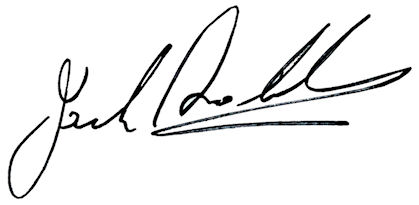 The
Australian Jack Brabham was born in Hurtsville in 1926. Already at the
age of twelve he drove around with heavy trucks within his father's farm,
later he became a car and aircraft mechanic. The
Australian Jack Brabham was born in Hurtsville in 1926. Already at the
age of twelve he drove around with heavy trucks within his father's farm,
later he became a car and aircraft mechanic.
In 1955 he went to Europe. His road performance was influenced of races
he drove in Australia, but this style didn't show to advantage. He changed
soon his style and developed into a proper clever driver. After less successful
years in the beginning he managed to win his first Formula One World Champion
title in 1959. One year later he defended his tittle with five more race
winnings.
When the next season came to nothing he constructed his own racing car
and in 1996 he won a Grand Prix as first driver of an own car. Further
victories followed. The reward was his third World Champion title. In 1967
he had to admit defeated by his workmate Denis Hulme and became a Vice-World
Champion.
In 1970 Jack Brabham resigned from racing, but his car drove successful
races till 1992. Altogether the Brabham stable could record 35 victories.
|
Grand Prix Starts 1955-1970: 126
Grand Prix Wins: 14
Top Three Ranking: 31
Pole Positions: 13
Total points: 261 |
|
| 1955 |
not placed |
1956 |
not placed |
1957 |
not placed |
1958 |
18th place |
1959 |
1st place |
| 1960 |
1st place |
1961 |
11th place |
1962 |
9th place |
1963 |
7th place |
1964 |
8th place |
| 1965 |
10th place |
1966 |
1st place |
1967 |
2nd place |
1968 |
23rd place |
1969 |
10th place |
| 1970 |
5th place |
|
|
|
|
|
|
|
|
PHIL
HILL (1927-2008)
-----
World Champion in 1961 |
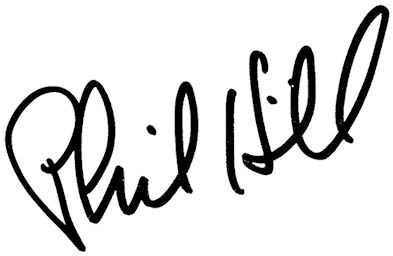 The
American Phil Hill was born in Santa Monica in 1927. He started his race
career in the United States and developed into one of the best long-distance
drivers of the world. He could celebrate successes in the 24-hours-race
of Le Mans in 1958, 1961 and 1962 as well as int the 1000-kilometer-race
of Nürburgring in 1962 and 1966. Beside it he won two long-distance
races for Ferrari in 1958. The
American Phil Hill was born in Santa Monica in 1927. He started his race
career in the United States and developed into one of the best long-distance
drivers of the world. He could celebrate successes in the 24-hours-race
of Le Mans in 1958, 1961 and 1962 as well as int the 1000-kilometer-race
of Nürburgring in 1962 and 1966. Beside it he won two long-distance
races for Ferrari in 1958.
When his partner Peter Collins was killed in an accident during the
Grand Prix of Germany in 1958, Phil Hill moved up. In 1960 he could win
a race and in 1961 he won besides two races also the Worcl Championship.
Although he won the title in 1961 he never was able to be glad about it
because the till then leading Wolfgang Graf Berghe von Trips was killed
during the Grand Prix of Italy. Hill lost his friend and workmate.
When he "only" could achieve second or third places in 1962 he changed
to ATS which brought him two disastrous years. From now on he devoted himself
to the long-distance races again before he retired from racing.
He died in 2008 at the age of 81.
|
Grand Prix Starts 1958-1964: 48
Grand Prix Wins: 3
Top Three Ranking: 16
Pole Positions: 6
Total points: 98 |
|
| 1958 |
14th place |
1959 |
4th place |
1960 |
5th place |
1961 |
1st place |
1962 |
6th place |
| 1963 |
not placed |
1964 |
19th place |
|
|
|
|
|
|
GRAHAM HILL (1929-1975)
-----
World Champion in 1962 and 1968 |
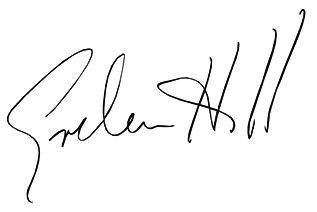 The
Briton Graham Hill was born in Hampstead in 1929. Unlike most of his
fellow drivers, he came to racing late in life. He initially worked as
a mechanic at Lotus from the end of the 1950s and drove his first
Formula 1 races in 1958 and 1959 before becoming a driver at R.R.M. in
1960. The
Briton Graham Hill was born in Hampstead in 1929. Unlike most of his
fellow drivers, he came to racing late in life. He initially worked as
a mechanic at Lotus from the end of the 1950s and drove his first
Formula 1 races in 1958 and 1959 before becoming a driver at R.R.M. in
1960.
Two years later, he celebrated his first Formula One world
title in 1962. In each of the next three years he was runner-up on BRM
and in 1966 he finished the world championship in 5th place. A switch
back to Lotus followed and he finished the 1967 World Championship in
7th place.
In the unlucky year of 1968, when Lotus lost two drivers
in Jim Clark and Mike Spence, Graham Hill was able to win his second
world championship title with Lotus in 1968.
In the next few
years, he was unable to build on his successes and survived several
serious accidents, including one at Watkins Glen in 1969.
In
addition, Graham Hill also raced in the 24 Hours of Le Mans, which he
finished in second place in 1964 and on the podium in 1972.
In 1973 he founded his own racing team with Embassy Hill, but success failed to materialize. In 1975 he retired from Formula 1.
On
November 29, 1975, Graham Hill crashed his private plane on approach to
Elstree Airfield - he was 46. His son Damon Hill also became Formula 1
world champion in 1996, making the Hills the first dynasty to win the
world title.
|
Grand Prix Starts
1958-1975: 176
Grand Prix Wins: 14
Top Three Ranking: 36
Pole Positions: 13
Total points: 289 |
|
| 1958 |
not placed |
1959 |
not placed |
1960 |
15th place |
1961 |
16th place |
1962 |
1st place |
| 1963 |
2nd place |
1964 |
2nd place |
1965 |
2nd place |
1966 | 5th place |
1967 | 7th place |
| 1968 | 1st place | 1969 | 7th place | 1970 | 13th place | 1971 | 21st place | 1972 | 15th place | | 1973 | not placed | 1974 | 18th place | 1975 | not placed | | | | |
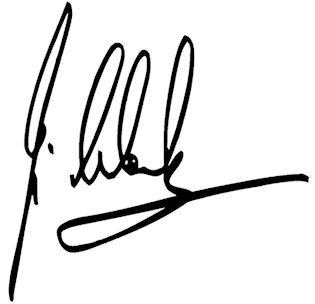
JIM
CLARK (1936-1968)
-----
World Champion in 1963 and 1965 |
 The
Scotsman Jim Clark was born in Kilmaddy in 1936. Since the mid-50s he drove
English sportscars and was finally discovered by Colin Chapman. In 1960
Jim Clark made his debut in the Formula One and remained true to the Lotus
team till his death. The
Scotsman Jim Clark was born in Kilmaddy in 1936. Since the mid-50s he drove
English sportscars and was finally discovered by Colin Chapman. In 1960
Jim Clark made his debut in the Formula One and remained true to the Lotus
team till his death.
During six years Jim Clark dominated the competition almost at will.
He achieved 25 victories in only 72 races.
Where today reigns envy and resentment among the drivers, his rivals
appreciated Jim Clark's superior style. Instinctive he plumbed the possibilities
of car and race track.
The accident during the Grand Prix of Italy in 1961 casted a dark shadow
on Jim Clark's career. Clark's Lotus got in touch with Wolfgang von Trips'
Ferrari. Subsequently the Ferrari was catapulted into the auditorium and
killed several spectators as well as von Trips himself.
In 1963 he dominated the Championship in an impressive manner. 7 out
of 10 races he won.
Parallel to Formula One he took also part in other races. He won besides
his F1 World Champion title in 1965 the Indy500.
The death hit unexpected. During an insignificant Formula Two race he
got off the racing track and his car was smashed to pieces.
|
Grand Prix Starts 1960-1968: 72
Grand Prix Wins: 25
Top Three Ranking: 32
Pole Positions: 33
Total points: 274 |
|
| 1960 |
8th place |
1961 |
7th place |
1962 |
2nd place |
1963 |
1st place |
1964 |
3rd place |
| 1965 |
1st place |
1966 |
6th place |
1967 |
3rd place |
1968 |
11th place |
|
|
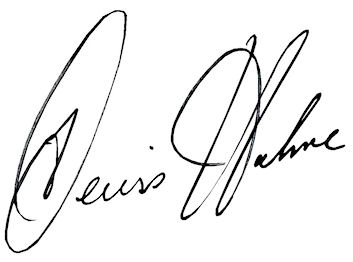
DENIS
HULME (1936-1992)
-----
World Champion 1967 |
 Denis
Hulme from New Zealand was born in Te Puke in 1936. He startet his career
as a driver in 1959 with MG and Cooper. Later he went to Europe on his
own account and he had to spend his nights in lowest flophouses or on the
backseat of his car. In 1962 he could sign on by Jack Brabham and soon
hat a reputation of a racing driving mechanic who was in a position to
dismantle his car till to the last screw. Subsequently he won several Formula
Junior races and in 1964 a Formula Two race. Finally he was promoted to
the works team of Jack Brabham. Denis
Hulme from New Zealand was born in Te Puke in 1936. He startet his career
as a driver in 1959 with MG and Cooper. Later he went to Europe on his
own account and he had to spend his nights in lowest flophouses or on the
backseat of his car. In 1962 he could sign on by Jack Brabham and soon
hat a reputation of a racing driving mechanic who was in a position to
dismantle his car till to the last screw. Subsequently he won several Formula
Junior races and in 1964 a Formula Two race. Finally he was promoted to
the works team of Jack Brabham.
In his first Formula One year he achieved the forth place. In the following
year was his moment of truth. He won besides two races the World
Championship and sent his workmate and employer Jack Brabham on the second
place. This led to the break up with Brabham because he still wanted to
play the first fiddle. But Hulme didn't want to play the second fiddle.
He changed to McLaren and won six more races till 1974. But the big
money he earned in the Canadian American Cup which he could win in 1968
and 1970.
Denis Hulme retired from racing in 1974 trat. Not till the end of the
70's, at the beginning of the 80's he took part at touring races.
When he took part at the 1000 kilometer race Bathurst, Australia, he
got off the road and collided with a wall. The car came to a stop nearly
undamaged but the doctors had to realize that Hulme died as a result of
a heart attack.
Hulme was well-known for hisgruff nature to journalists what contributed
him to tne nickname "bear". At the end of his life he changed into a friendly
man who liked to give some information.
|
Grand Prix Starts 1965-1974: 112
Grand Prix Wins: 8
Top Three Ranking: 33
Pole Positions: 1
Total points: 248 |
|
| 1965 |
11th place |
1966 |
4th place |
1967 |
1st place |
1968 |
3rd place |
1969 |
6th place |
| 1970 |
4th place |
1971 |
9th place |
1972 |
3rd place |
1973 |
6th place |
1974 |
7th place |
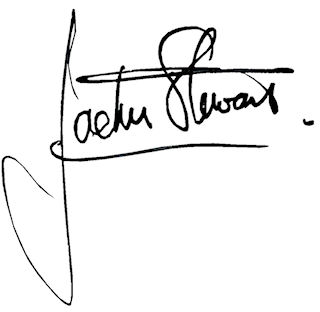
JACKIE
STEWART (1939)
-----
World Champion in 1969, 1971 and 1973 |
 The
Scotsman John Young "Jackie" Stewart was born in Dumbuck in 1939. His father
possessed a Jaguar agency and his older brother already drove during the
50's different sports car races. So it seems very likely that Jackie entered
this direction too. After first successes in Jaguar sports cars he was
employed by Ken Tyrell in 1964 for Formula Three races, where he dominated
his competition. In 1965 He got a Forumula 1 contract with BRM and he drove
at Graham Hill's side. In his debut year he won a race and finished the
World Championship on the third place. The
Scotsman John Young "Jackie" Stewart was born in Dumbuck in 1939. His father
possessed a Jaguar agency and his older brother already drove during the
50's different sports car races. So it seems very likely that Jackie entered
this direction too. After first successes in Jaguar sports cars he was
employed by Ken Tyrell in 1964 for Formula Three races, where he dominated
his competition. In 1965 He got a Forumula 1 contract with BRM and he drove
at Graham Hill's side. In his debut year he won a race and finished the
World Championship on the third place.
But it took till 1968 before he belonged to the absolute top driver.
In 1968 he became Vice-World Champion and in the following year he could
win the title with six victories. Stewart was the second Scotsman after
Jim Clark who could win this title.
From 1971 till 1973 he continued todominate the Grand Prix. With a total
of 15 victories within three years he could celebrate to further World
Champion titles and a second Vice-Workd Champion title. Together with his
workmate Francois Cevert they represented the team. Cevert could
win one time and achieved 10 second places during this three years, usually
behind his colleague Stewart.
Jackie Stewart announced his resignation by Ken Tyrrell in April 1973.
He wanted to drive his 100 th and last Grand Prix in Watkins Glen when
is colleague Cevert was killed in an accident during the training. Stewart
refrained from the race and announced official his resignation.
|
Grand Prix Starts 1965-1973: 99
Grand Prix Wins: 27
Top Three Ranking: 43
Pole Positions: 17
Total points: 360 |
|
| 1965 |
3rd place |
1966 |
7th place |
1967 |
9th place |
1968 |
2nd place |
1969 |
1st place |
| 1970 |
5th place |
1971 |
1st place |
1972 |
2nd place |
1973 |
1st place |
|
|
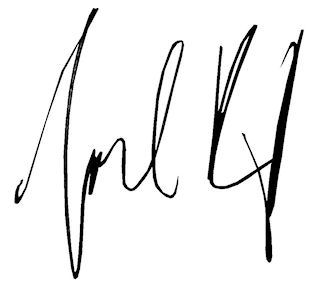
JOCHEN RINDT (1942-1970)
-----
World Champion in 1970 |
 Austrian
Jochen Rindt was born in Mainz in 1942 and had German citizenship. When
he lost his parents in a bombing raid on Hamburg in 1943, he grew up
with his maternal grandparents in Austria and later worked exclusively
for Austria in racing. Austrian
Jochen Rindt was born in Mainz in 1942 and had German citizenship. When
he lost his parents in a bombing raid on Hamburg in 1943, he grew up
with his maternal grandparents in Austria and later worked exclusively
for Austria in racing.
After school, he was briefly involved in
the family import business, but soon turned to racing. He started his
career in 1961 and eventually Ford Austria became aware of the young
driver and Jochen Rindt drove a Formula 2 Brabham in several races. He
took the victory at Mallory Park and finished 2nd at the Crystal Palace
Race.
In 1964 he made his debut in Formula 1 for Brabham, but
could only complete one race. In 1965 he switched to Cooper Car and
after a 13th place in 1965, he achieved a surprising 3rd place in 1966
with three podiums. In 1967 he drove for Cooper Car for the last time
and finished the World Championship in 13th place.
In 1965 he also won the 24 Hours of Le Mans together with Masten Gregory.
In
1968 followed the switch to Brabham, but the year was marked by
numerous retirements. The races he did finish, he finished on the
podium in each case.
So Jochen Rindt went to Lotus in 1969,
where he finally won his first Grand Prix at Watkins Glen. With two
more podium finishes, he ended the World Championship in 4th place.
The
following year was Jochen Rindt's big hour, and at the same time it was
to be his fateful year. In the first race he finished 13th. In the next
eight races, Jochen Rindt retired three times, but he won all the other
five races. This laid the foundation for his 1970 world championship
title.
However, Jochen Rindt did not live to see this triumph.
During the final practice for the Italian Grand Prix in Monza, Jochen
Rindt had a fatal accident. However, his lead in the world championship
was large enough that he became world champion with 5 points ahead of
Jacky Ickx and 12 points ahead of Clay Regazzoni.
To this day, Jochen Rindt is the only Formula 1 driver to have been crowned world champion posthumously.
|
Grand Prix Starts
1964-1970: 60
Grand Prix Wins: 6
Top Three Ranking:: 13
Pole Positions: 10
Total points: 109 |
|
| 1964 |
nicht platziert |
1965 |
13. Platz |
1966 |
3. Platz |
1967 |
13. Platz |
1968 |
12. Platz |
| 1969 |
4. Platz |
1970 |
1. Platz |
|
|
|
|
|
|
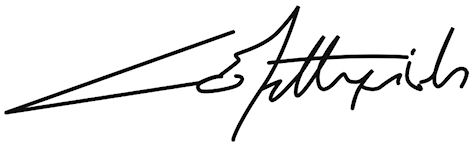
EMERSON
FITTIPALDI (1946)
-----
World Champion in 1972 and 1974 |
 The
Brazilian Emerson Fittipaldi was born in Sao Paulo in 1946.came into contact
with the motor sport at an early age. Alr4eady at the age of 15 he drove
motorcycle and cart races for the first time. He achieved Brazilian national
champion for several times before he orientadted himself to an international
career. The
Brazilian Emerson Fittipaldi was born in Sao Paulo in 1946.came into contact
with the motor sport at an early age. Alr4eady at the age of 15 he drove
motorcycle and cart races for the first time. He achieved Brazilian national
champion for several times before he orientadted himself to an international
career.
He joined the world-famous Jim-Russell-Driver school in England and
thereafter took part in Formula Ford and Formula Three European Championships
very successful. In his debut year he won 11 of 20 races right off.
The talent of Emerson Fittipaldi couldn't be overlooked any longer and
Colin Chapman, team boss of Lotus, made it possible for Fittipaldi to start
in the Formula One for the first time - at Jochen Rindt's side. Rindt was
on his way to the World Champion title when he was killed in an accident.
Fittpaldi took his seat and could already win his first Grand Prix at his
forth stake.
1972 was his time. Together with five victories he became the youngest
World Champion of all time at the age of 25.
In 1973 he couldn't defend his title but he became Vice-World Champion
at least.
In the following year he changed to McLaren and could win back his
title. In the next year he lost his title again but finished the saison
once more on second place.
Fittipaldi retired from motor sport in 1980 and his race stable Copersucar
he shut down in 1982 for lack of success.
In 1983 Fittipaldi drove again supercart races in Brazil and developed
once more a taste for the motor sport. He began his second career one year
later in the USA in the Indy car serial where he won the raco of Indianapolis
and 1989 and also won the championship. In 1993 he could assert himself
again in Indianapolis. He finished the championships in 1993 and 1994 on
second place.
Unfortunately he substained a bad accident which brought his career
to an end.
|
Grand Prix Starts 1970-1980: 144
Grand Prix Wins: 14
Top Three Ranking: 35
Pole Positions: 6
Total points: 281 |
|
| 1970 |
10th place |
1971 |
6th place |
1972 |
1st place |
1973 |
2nd place |
1974 |
1st place |
| 1975 |
2nd place |
1976 |
16th place |
1977 |
12th place |
1978 |
9th place |
1979 |
21st place |
| 1980 |
15th place |
|
|
|
|
|
|
|
|
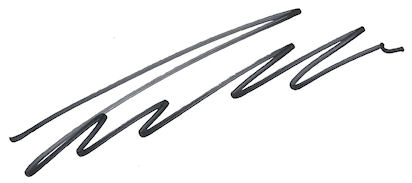
NIKI
LAUDA (1949-2019)
-----
World Champion in 1975, 1977 and 1984 |
 The
Austrian Niki Lauda was born in Vienna in 1949. He did his first races
in 1968 at mountain races for Cooper and circuit races for Porsche. The
Austrian Niki Lauda was born in Vienna in 1949. He did his first races
in 1968 at mountain races for Cooper and circuit races for Porsche.
In 1970 he drove for the Formula Three and one year later for the Formula
Two Championship. He also celebrated his debut in the Formula One for March.
In order to get a fixed start place in the Grand Prix circus he had
to purchase himself with a high loan. But March wasn't a competitive car,
also BRM, with which he drove for the next saison, was without any chances.
But thanks to his courageous drive in Monaco he left a lasting impression
by Enzo Ferrari, what got him a contract with Ferrari for 1974. Already
his first two races he could win and in 1975 he even won the World Champion
title for the first time.
When he contracted very serious burns through a frightening accident
in 1976 - which mark him till today - people thought, that his career would
be brought to an end. But only six weeks later he already sat in the cockpit.
Still he lost the Championship to James Hunt who could beat him by a lead
of one point.
However Lauda could triumph again in 1977. With three victories and
six second places he conquered his second title.
Later on there was a breaking-off between Lauda and Enzo Ferrari and
Lauda drove for Brabham in the next years.
In 1979 he announced his resignation for the first time in order to
give his undivided attention to the erection of his own airline. When he
came into a financial bottleneck he came back to the circuit in 1982. The
second career of Niki Lauda became fact and he rounded it off with his
third World Champion title in 1984 - with only a half point ahead of Alain
Prost.
The year 1985 marked his final resignation from Formula One.
|
Grand Prix Starts 1971-1985: 171
Grand Prix Wins: 25
Top Three Ranking: 54
Pole Positions: 24
Total points: 420.5 |
|
| 1971 |
not placed |
1972 |
not placed |
1973 |
17th place |
1974 |
4th place |
1975 |
1st place |
| 1976 |
2nd place |
1977 |
1st place |
1978 |
4th place |
1979 |
14th place |
1982 |
5th place |
| 1983 |
10th place |
1984 |
1st place |
1985 |
10th place |
|
|
|
|
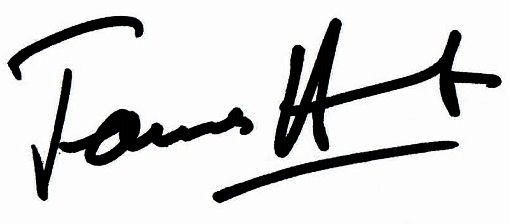
JAMES
HUNT (1947-1993)
-----
World Champion in 1976 |
 The
Englishman James Hunt was born in Belmin in 1947. He bagan with the racing
at the age of 22. But the beginning was unpromising. He became well-known
to be involded in sensational accidents. Although he couldn't get a victory
in Formula Two and only could achieve two places he managed the jump to
Formula One. He succeeded in convincing Lord Alexander Hesketh to set up
an own team. In 1975 Hunt obtained the only victory for this team, after
this it was winded up because of financial difficulties. The
Englishman James Hunt was born in Belmin in 1947. He bagan with the racing
at the age of 22. But the beginning was unpromising. He became well-known
to be involded in sensational accidents. Although he couldn't get a victory
in Formula Two and only could achieve two places he managed the jump to
Formula One. He succeeded in convincing Lord Alexander Hesketh to set up
an own team. In 1975 Hunt obtained the only victory for this team, after
this it was winded up because of financial difficulties.
James Hunt changed to McLaren and the year 1976 was marked by the fight
between Hunt and Lauda. Hunt drove often in borderland of the regulations,
this led to a deprivation of his victory in Brands Hatch, which was awarded
to Lauda. After this Lauda had his horrible fire accident and had to pause
for two races. The decision for the World Championship came with the last
race. Lauda gave up the race as a result of the rain (security reason),
James Hunt became, thanks to a third place, World Champion with one point
lead.
In his active career Hunt was known for sex, drugs and Rock 'n' Roll.
This image was inherented to him in later years although he was "reformed"
long ago. James Hunt died in 1993 because of a heart attack.
|
Grand Prix Starts 1973-1979: 92
Grand Prix Wins: 10
Top Three Ranking: 23
Pole Positions: 14
Total points: 179 |
|
| 1973 |
8th place |
1974 |
8th place |
1975 |
4th place |
1976 |
1st place |
1977 |
5th place |
| 1978 |
13th place |
1979 |
not placed |
|
|
|
|
|
|
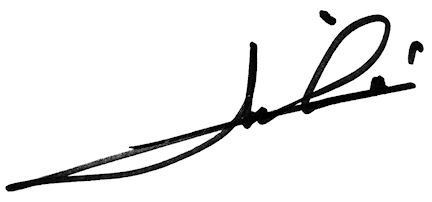
MARIO
ANDRETTI (1940)
-----
World Champion in 1978 |
 The
American Mario Andretti was born in Montana (Italy) in 1940. He came from
a poor family and his family migrated from the refugee camp in Lucca to
the Americanreception camp in Nazareth (USA). He managed the rise from
a poor wretch to a winner. Since the mid of the 50's he drove Stock car
races, sprint and Midget racing cars with borrowed money. By the victor
checks he got he could keep his head above water. Finally his successes
brought him in the start opportunity for the IndyCar championship which
he won in 1965, 1966 and 1969. Also a victory in the 500 miles race of
Indianapolis joined his successes. The
American Mario Andretti was born in Montana (Italy) in 1940. He came from
a poor family and his family migrated from the refugee camp in Lucca to
the Americanreception camp in Nazareth (USA). He managed the rise from
a poor wretch to a winner. Since the mid of the 50's he drove Stock car
races, sprint and Midget racing cars with borrowed money. By the victor
checks he got he could keep his head above water. Finally his successes
brought him in the start opportunity for the IndyCar championship which
he won in 1965, 1966 and 1969. Also a victory in the 500 miles race of
Indianapolis joined his successes.
Between 1968 and 1975 he only drove sporadically for the Formula One
but still celebrated his first win of a Grand Prix in 1972.
Not until 1976 he could turn his back on the American racing car and
devoted his attention completely to the Formula One. In 1977 he achieved
four victories and the 3rd place in the World Championship. In 1978 he
climaxed his career with six victories and the win of the World Championship.
After that it followed hard times. Lotus wasn't competitive any longer
and also his new stable Alfa Romeo didn't lead to improvement.
Finally Mario Andretti parted with the Formula One and returned to
the IndyCar where he achieved his fourth titel.
|
Grand Prix Starts 1968-1982: 128
Grand Prix Wins: 12
Top Three Ranking: 19
Pole Positions: 18
Total points: 180 |
|
| 1968 |
not placed |
1969 |
not placed |
1970 |
15th place |
1971 |
8th place |
1972 |
12th place |
| 1974 |
not placed |
1975 |
14th place |
1976 |
6th place |
1977 |
3rd place |
1978 |
1st place |
| 1979 |
10th place |
1980 |
20th place |
1981 |
17th place |
1982 |
19th place |
|
|
JODY
SCHECKTER (1950)
-----
World Champion in 1979 |
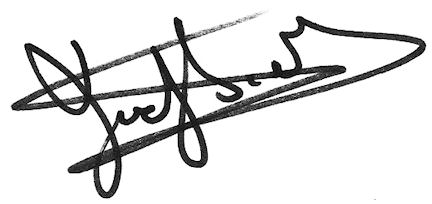 The
South African Jody Scheckter was born in East London (South Africa) in
1950. He achieved his first successes in Go-Kart races and was sent to
Europe at the age of 21. The
South African Jody Scheckter was born in East London (South Africa) in
1950. He achieved his first successes in Go-Kart races and was sent to
Europe at the age of 21.
His efforts in Formula Ford and Formula Three convinced and in 1972
he got the chance to gain a foothold in the Formula One.
After the resignation of Jackie Stewart he was obliged by Tyrrell for
three years. During this time he achieved six Grand Prix wins and one of
them with the legendary six-wheeled Tyrrell type P 34. Scheckter finished
the Championship on the third place.
When he signed up by Wolf in 1977 he surprised everyone with this decision.
But already one year later he secured the Vice-World Championship title
for Wolf. Scheckter was the only one who could achieve victories for Wolf
(altogether three victoreis).
When Scheckter was engaged by Ferrari in 1979 he finally got a car donation
with which he could conquer the World Champion title. But Scheckter didn't
conquer the title with a brilliant performance but rather because of a
constant season. Critics judged his team colleague Gilles Villeneuve far
higher.
After a failed season in 1980 for Ferrari he retired from the Formula
One business.
|
Grand Prix Starts 1972-1980: 112
Grand Prix Wins: 10
Top Three Ranking: 33
Pole Positions: 3
Total points: 255 |
|
| 1972 |
not placed |
1973 |
not placed |
1974 |
3rd place |
1975 |
7th place |
1976 |
3rd place |
| 1977 |
2nd place |
1978 |
7th place |
1979 |
1st place |
1980 |
19th place |
|
|
NELSON
PIQUET (1952)
-----
World Champion in 1981, 1983 and 1987 |
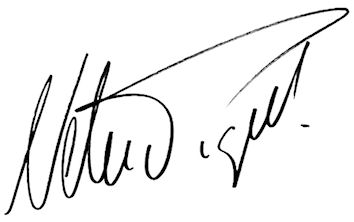 The
Brazilian Nelson Piquet was born in Rio de Janeiro in 1952. His father
Estacio Soutomajor was minister for tourism of Brazil and his family belonged
to the upper class. Although the racing frowned upon in this circles, Piquet
turned to the motor sport. He replaced his father's name by his mother's
name - Piquet. The
Brazilian Nelson Piquet was born in Rio de Janeiro in 1952. His father
Estacio Soutomajor was minister for tourism of Brazil and his family belonged
to the upper class. Although the racing frowned upon in this circles, Piquet
turned to the motor sport. He replaced his father's name by his mother's
name - Piquet.
He achieved first successes with a Kart and in the Formula Super V before
he got to Europe and won the Formula Three Championship in 1978. In the
same year he celebrated his debut for the Formula One for four races for
Ensign and McLaren. After that he changed to Brabham and achieved some
of his most important successes, including two World Champion titles. He
won his first title very narrow. Although Carlos Reutemann had a passable
lead in the championship he became such a nerve flutter that he only was
one point ahead before the last race. In the last race Reutemann dropped
out and Nelson Piquet could take his first title with a fifth place and
one point in lead. Also in 1983 it was similar narrow. This time Alain
Prost was his sacrifice. Piquet could win two of the last three races and
left Prost with two points behind him. With that Nelson Piquet was simultaneous
the first World Champion with a turbo.
But in 1986 the same destiny caught up with Nelson Piquet. He missed
the title for only three points and was "only" placed third.
He conquered his third Championship title because of a constant season.
It is true he only achieved three victories (Nigel Mansell achieved six
victories in the same season) but he was able to refer Mansell to second
place.
In the last four years of his active career he achieved three more Grand
Prix victories, then retired.
|
Grand Prix Starts 1978-1991: 204
Grand Prix Wins: 23
Top Three Ranking: 60
Pole Positions: 24
Total points: 485.5 |
|
| 1978 |
not placed |
1979 |
15th place |
1980 |
2nd place |
1981 |
1st place |
1982 |
11th place |
| 1983 |
1st place |
1984 |
5th place |
1985 |
8th place |
1986 |
3rd place |
1987 |
1st place |
| 1988 |
6th place |
1989 |
8th place |
1990 |
3rd place |
1991 |
6th place |
|
|
KEKE
ROSBERG (1948)
-----
World Champion in 1982 |
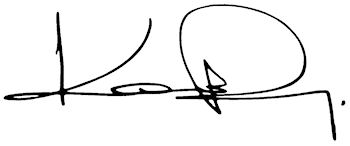 The
Finn Keke Rosberg was born in Stockholm in 1948. Because his parents drove
rallys it wasn't astonishing that Rosberg was enthusiastic about racing. The
Finn Keke Rosberg was born in Stockholm in 1948. Because his parents drove
rallys it wasn't astonishing that Rosberg was enthusiastic about racing.
Rosberg came relative late to the Fourmula One. Since 1965 he drove
different races and only thirteen years later he had his first entrance
in the Formula One. His most spectacular race he had at the Jim-Clark-Memory
race where he crashed into the rear wheels of a competitor and overturned
in a frightening way. After that he got out uninjured, pulled out his wide
briming hat from the cockpit and bowed to the spectators. The audience
was enthusiastic.
But back to the Formula One. The first two years he spent in third-world
cars like Theodore, ATS and Wolf. After four years in the Formula One Rosberg
achieved only a third and a fifth place. But then the fortune was on his
side. Alan Jones and Carlos Reutemann announced their resignation in 1981.
"Cheap"- driver Rosberg was engaged by Williams and he thanked Williams
with his first World Champion title. Williams was a "Sauger" and wasn't
a match for the "Turbos", but thanks to its reliability he was able to
collect enough points in order to got the title. But especially the bad
accident of Didier Pironi, who actually was uncatchable up with, made it
possible for Rosberg to win the title. For Pironi this accident marked
the end of his career.
Rosberg concluded his career with McLaren where he was in Prost's shadow.
|
Grand Prix Starts 1978-1986: 114
Grand Prix Wins: 5
Top Three Ranking: 17
Pole Positions: 5
Total points: 159.5 |
|
| 1978 |
not placed |
1979 |
not placed |
1980 |
10th place |
1981 |
not placed |
1982 |
1st place |
| 1983 |
5th place |
1984 |
8th place |
1985 |
3rd place |
1986 |
6th place |
|
|
ALAIN
PROST (1955)
-----
World Champion in 1985, 1986, 1989 and 1993 |
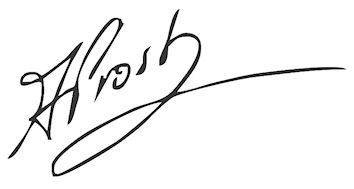 The
Frenchman Alain Prost was born in Lorette in 1955. Already as a young person
he was extreme sporting and he was active as athlete and soccer. When he
turned to the motor sport he found his real passion. He became a threefold
French Kart champion at the first go, he was a European Kart champion,
winner of the French Formula Renault in 1976, overall winner of the European
Formula Renault in 1977 and European champion in Formula Three in 1979. The
Frenchman Alain Prost was born in Lorette in 1955. Already as a young person
he was extreme sporting and he was active as athlete and soccer. When he
turned to the motor sport he found his real passion. He became a threefold
French Kart champion at the first go, he was a European Kart champion,
winner of the French Formula Renault in 1976, overall winner of the European
Formula Renault in 1977 and European champion in Formula Three in 1979.
In 1980 Alain Prost joined the Formula One where he took part for McLaren.
For the next three years he drove for Renault and won 9 races in this period
and in 1983 he became Vice-World Champion.
The year 1984 was marked by the duel between Prost and Lauda. Although
Prost won 7 races he had to be content with the second place with only
half a point behind Lauda.
In 1985 and 1986 Prost was finally able to achieve the title of a World
Championship. The following year was a "transition year" before he could
fight for the World Champion title again in the next three years.
Despite of seven victories in 1988 he was sent off on second place by
his new team colleague Ayrton Senna, but already in the following year
he could turn the tables. Both drivers developed into archenemies and Prost
bump into Senna during the last race and guaranteed his third title.
Prost changed after that to Ferrari but was defeated by Ayrton Senna
in the next two years.
Alain Prost had a race break in 1992 in order to conquer his forth World
Champion title with Williams in an impressive manner. As an acting World
Champion he retired from the active racing.
Because of his well thought-out drives and tactival skill he was respectful
called "professor".
|
Grand Prix Starts 1980-1993: 199
Grand Prix Wins: 51
Top Three Ranking: 106
Pole Positions: 34
Total points: 798.5 |
|
| 1980 |
15th place |
1981 |
5th place |
1982 |
4th place |
1983 |
2nd place |
1984 |
2nd place |
| 1985 |
1st place |
1986 |
1st place |
1987 |
4th place |
1988 |
2nd place |
1989 |
1st place |
| 1990 |
2nd place |
1991 |
5th place |
1993 |
1st place |
|
|
|
|
NIGEL
MANSELL (1953)
-----
World Champion in 1992 |
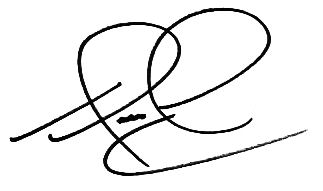 The
Englishman Nigel Mansell was born in Baughton in 1953. He was a great fan
of Jim Clark and dreamt of a great career for himself. His wife Rosanne
assisted himin his plans and consented to mortgage Mansell's life insurance
and to sell their house for it. The
Englishman Nigel Mansell was born in Baughton in 1953. He was a great fan
of Jim Clark and dreamt of a great career for himself. His wife Rosanne
assisted himin his plans and consented to mortgage Mansell's life insurance
and to sell their house for it.
Nigel Mansell could win a lot of fans in his career because he was a
unyielding fighter. He drove the first five years for Lotus in the Formula
One, and in 1984 his car broke down during the Grand Prix of Dallas because
of a defective. Mansell tried to push his car over the finishing line but
collapsed and lost his consciousness.
His change to Williams in 1985 was ill-fated. He had two terrible accidents
after blowouts and the doctors prescribed a race break for him because
of some broken ribs.But Mansell drove on and could celebrate his first
victory in this season.
Mansell controlled the Formula One in 1986 and 1987 had to let other
drivers have the title under dramatically circumstances in spite of five
respectively six victories. During the last race in 1986 a rear wheel burst
and with it his dream of the first title. In 1987 he sustained contusions
and a cracked dorsal vertebra during a training for the second to last
race.
In 1989/1990 Mansell drove for Ferrari but wasn't able to fight for
World Championship. Only when he changed to Williams he took the right
course again. It is true that he had to be conent in 1991 with his third
Vice-World Champion title but one year later the moment of true came. With
nine victories he set up a new record and could win the long overdue title.
After expressions of disapproval with Frank Williams he turned his back
on Formula One in 1993 as reigning World Champion and joined the IndyCar
serial where he let all American drivers behind him and guaranteed himselfthe
title premature.
In 1994 he returned to the Formula One and could manage to win one more
race. In the season of 1995 he only entered two times and finally retired.
|
Grand Prix Starts 1980-1995: 187
Grand Prix Wins: 31
Top Three Ranking: 59
Pole Positions: 32
Total points: 482 |
|
| 1980 |
not placed |
1981 |
14th place |
1982 |
14th place |
1983 |
12th place |
1984 |
9th place |
| 1985 |
6th place |
1986 |
2nd place |
1987 |
2nd place |
1988 |
9th place |
1989 |
4th place |
| 1990 |
5th place |
1991 |
2nd place |
1992 |
1st place |
1994 |
9th place |
1995 |
not placed |
MICHAEL
SCHUMACHER (1969)
-----
World Champion in 1994, 1995, 2000, 2001, 2002, 2003
und 2004 |
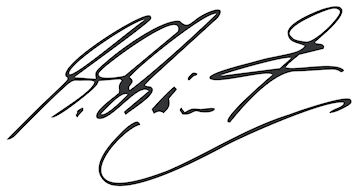 The German Michael
Schumacher was born in Hermühlheim in 1969. Already at the age of
four he drove Kart and became a Kart Europe Champion in 1987, a Formula
König Champion in 1988 and a Formula Three Champion in 1990. The German Michael
Schumacher was born in Hermühlheim in 1969. Already at the age of
four he drove Kart and became a Kart Europe Champion in 1987, a Formula
König Champion in 1988 and a Formula Three Champion in 1990.
Because of the arrest of Jordan driver Bertrand Gachot after a tear
gas attack against a taxi driver, Schumacher moved up. He convinced with
a seventh place during a training and his next race he drove for
Benetton. In 1992 and 1993 he could each celebrate a victory, but in 1994
- after the retirement of Mansell, Piquet and Prost as well as the deadly
accident of Senna - the moment of truth was coming. He achieved the World
Champion title for the first time with a total of eight victories. In 1995 Schumacher achieved his second title.
Thereafter he changed to Ferrari (which couldn't achieve a title since
1979) for a very lucrative offer. In 1996 he reached three victories and
ended on the third place. In 1997 he was the leader of the championship
till the last race and than he tried to knock out his rival Jacques Villeneuve.
But Schumacher missed his target and landed in the gravelly soil himself.
The commission perceived the foul attack and Schumacher was locked out
from the Championship.
Schumacher lost again the win of the World Championship in 1998. He
caused a rear-end collision in Spa and messed his start for the last race.
In 1999 he was put in his place clearly and ended the Championship on 5th
place.
But in the next years a visible matured Michael Schumacher was convincing
and he dominated his competitors nearly at will. In the year 2000 he put
his main competitor Mika Häkkingen inhis place and in the next three
years he became also world champion and with it the most successful driver
of all time.
|
Grand Prix Starts 1991-2012: 307
Grand Prix Wins: 91
Top Three Ranking: 155
Pole Positions: 68
Total points: 1566 |
|
| 1991 |
12th place |
1992 |
3rd place |
1993 |
4th place |
1994 |
1st place |
1995 |
1st place |
| 1996 |
3rd place |
1997 |
20th place |
1998 |
2nd place |
1999 |
5th place |
2000 |
1st place |
| 2001 |
1st place |
2002 |
1st place |
2003 |
1st place |
2004 |
1st place |
2005 |
3rd place |
| 2006 |
2nd place |
2010 |
9th place |
2011 |
8th place |
2012 |
13th place |
|
|
DAMON
HILL (1960)
-----
World Champion in 1996 |
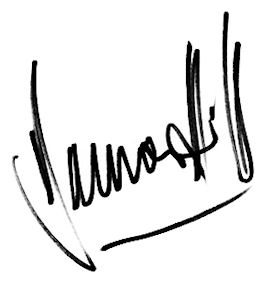 The
Englishman Damon Hill was born in London in 1960. His father Graham Hill
was also a successful Formula One driver who became World Champion in 1962
and 1968. Graham Hill crashed with a plane in 1975. The
Englishman Damon Hill was born in London in 1960. His father Graham Hill
was also a successful Formula One driver who became World Champion in 1962
and 1968. Graham Hill crashed with a plane in 1975.
Because of the death of his father, the family went into financial troubles.
Damon Hill earned his living as guitarist for the rock group "Hitler, Sex
and the Hormones".
Between 1984 and 1991 he drove for the Formula Ford, Formula Three and
Formula 3000 but never appeared specifically. Therefore it astonished that
he got a test contract for Williams.
He had his debut for Formula One only one year later for Brabham. When
Nigel Mansell retired, Williams offered the second seat at Prost's side
to the well-known loser Damon Hill. But Hill belied his critics by winning
three races in his first year and with the third place in the World Championship.
In the following two years he was defeated by Michael Schumacher. But
in 1996 he was ready. With a total of eight victories he received the World
Champion title.
Because of expressions of disapproval with his team he went to Arrows
because of financial reasons, one year later to Jordan where he could celebrate
his last victory. After another unsuccessful season he retired in 1999.
|
Grand Prix Starts 1992-1999: 116
Grand Prix Wins: 22
Top Three Ranking: 77
Pole Positions: 42
Total points: 360 |
|
| 1992 |
not placed |
1993 |
3rd place |
1994 |
2nd place |
1995 |
2nd place |
1996 |
1st place |
| 1997 |
12th place |
1998 |
6th place |
1999 |
11th place |
|
|
|
|
JACQUES
VILLENEUVE (1971)
-----
World Champion in 1997 |
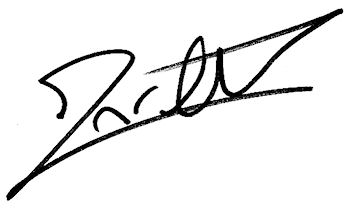 The Canadian Jacques Villeneuve was born in St.-Jean-sur-Richelieu in
1971. His father was the legendary Formula One driver Gilles Villeneuve
who was killed in an accident in 1982. The Canadian Jacques Villeneuve was born in St.-Jean-sur-Richelieu in
1971. His father was the legendary Formula One driver Gilles Villeneuve
who was killed in an accident in 1982.
He had his first great successes with Indycars. In 1995 he not only
won the prestigious Indy500 race but also won the championship of the cart
serial in the same year.
One year later he entered the Formula One and was nearly able to win
his debut race which he ended on place two because of a technical defect.
But only three races later he managed to win his first Formula One race.
He became second in the world championship in his first year.
The season 1997 marked the height of his career. After impressive races
he was able to win the World Championship. Afterwards followed the fall
into the mediocrity. He was not able to go on from his former successes.
After the saison 2003 followed a longer interruption before he drove
the last three races of the saison for Renault.
|
Grand Prix Starts 1996-2004: 133
Grand Prix Wins: 11
Top Three Ranking: 30
Pole Positions: 13
Total points: 219 |
|
| 1996 |
2. Platz |
1997 |
1. Platz |
1998 |
5. Platz |
1999 |
nicht platziert |
2000 |
7. Platz |
| 2001 |
7. Platz |
2002 |
12. Platz |
2003 |
14. Platz |
2004 |
nicht platziert |
|
|
MIKA
HÄKKINEN (1968)
-----
World Champion in 1998 and 1999 |
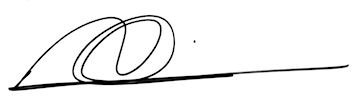 The
Finn Mika Häkkinen was born in Helsinki in 1968. He already drove
cart races at the age of six and whe he joined the Formula Ford 1600 in
1987 he dominated the competition. The Champion title for the British Formula
Three followed in 1990. The
Finn Mika Häkkinen was born in Helsinki in 1968. He already drove
cart races at the age of six and whe he joined the Formula Ford 1600 in
1987 he dominated the competition. The Champion title for the British Formula
Three followed in 1990.
When Häkkinen was able to beat Formula Three Champion Michael Schumacher
in a invitation race he got a contract for Lotus. Already in his first
year he achieved first points.
In 1993 he was allowed to drive the last races for McLaren when Michael
Andretti fell out of favour because of several accidents.
The following years weren't particularly successfull and after an accident
in 1995 his career seemed to be finished. The doctors had to carry out
a windpipe incision, Häkkinen was in danger of life for several days.
But he came back and could celebrate his first victory in 1997.
Mercedes finally had a competitive car and Häkkinen conquered his
first World Champion title in a sovereign manner. In the following year
he could defend his title.
In 2000 he had to submit to Michael Schumacher and to be content with
the second final rank.
|
Grand Prix Starts 1991-2000: 160
Grand Prix Wins: 20
Top Three Ranking: 51
Pole Positions: 26
Total points: 420 |
|
| 1991 |
15th place |
1992 |
8th place |
1993 |
15th place |
1994 |
4th place |
1995 |
7th place |
| 1996 |
5th place |
1997 |
5th place |
1998 |
1st place |
1999 |
1st place |
2000 |
2nd place |
FERNANDO
ALONSO (1981)
-----
World Champion in 2005, 2006 |
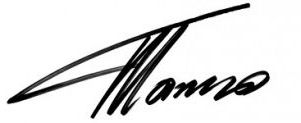 Fernando
Alonso began at the age of 3 to drive first kart races and from the age
of 8 he could win first races. In 1993 and 1994 he became Junior champion
of the Spanish kart championship. In 1996 he became Junior world champion. Fernando
Alonso began at the age of 3 to drive first kart races and from the age
of 8 he could win first races. In 1993 and 1994 he became Junior champion
of the Spanish kart championship. In 1996 he became Junior world champion.
He changed to the Euro Open Movistar by Nissan in 1999 and was able
to win the championship in his first year which led to an invitation for
test runs for the formula one team Minardi.
In 2000 he drove for the Formel-3000 championship and finished the saison
on position four. Finally he was contracted by Flavio Briatore for the
formula one and Alonso became the driver for Minardi in 2001.
In the next year he changed to Renault F1 as test driver and in 2003
he was announced as an official driver for this team. In this year he was
able to win his first Grand Prix and was the youngest winner by then.
He finished the season on position 6.
In the saison 2004 he could achieve some succès d'estime although
he was not able to win a race. This changed in 2005 when Alonso was able
to win seven races in one season. He became World Champion of that year
and was the youngest champion by then.
He was able to follow up in 2006 and he won again seven races and became
world champion as well.
As a reigning world champion he changed to McLaren in 2007 and demonstrated
a great duel with Lewis Hamilton and Kimi Räikkönen. At the end
he had to be satisfied with the third position.
Because of the espionage scandal with McLaren and statements of Alonso
he left the team again after one year and returned to Renault in 2008 where
he remained till 2009.
But both years were not as successful as the years before although he
was able to win two races in 2008. He finished the champion ships on position
five and on position nine.
With the change to Ferrari his career went up again. He won five races
and became world vice champion in 2010.
|
Grand Prix Starts 2001-2021: 334
Grand Prix Wins: 32
Top Three Ranking: 98
Pole Positions: 22
Total Points: 1980 |
|
| 2001 |
23rd place |
2003 |
6th place |
2004 |
4th place |
2005 |
1st place |
2006 |
1st place |
| 2007 |
3rd place |
2008 |
5th place |
2009 |
9th place |
2010 |
2nd place |
2011 |
4th place |
| 2012 | 2nd place | 2013 | 2nd place | 2014 | 6th place | 2015 | 17th place | 2016 | 10th place | | 2017 | 15th place | 2018 | 11th place | 2021 | 10th place | | | | |
KIMI
RÄIKKÖNEN (1979)
-----
World Champion 2007 |
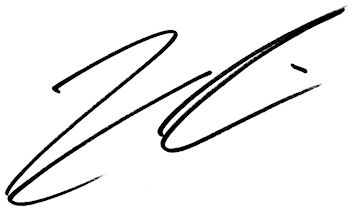 Kimi
Räikkönen made his first experience with the motor sport at the
age of 9 and he drove as many later Formula 1 drivers his first races with
a kart. Kimi
Räikkönen made his first experience with the motor sport at the
age of 9 and he drove as many later Formula 1 drivers his first races with
a kart.
He became Finnish junior champion in 1991, in 1997 and 1998 followed
the first place at the Finnish kart championship of the class A.
He changed to the British Formula Renault in 1999 and one year later
he was able to win the championship with seven victories of total ten races.
Because of an invitation by Peter Sauber he was able to have a first
look into the formula one. The test runs were so successful that Räikkönen
got a contract by Sauber and in 2001 he made his debut in the formula one.
He finished his first season on position 10.
McLaren did buy his way out from the contract with Sauber in 2002 and
engaged him themselves. Räikkönen was driving for McLaren till
2006.
In his first season for McLaren he conquered the 6th position, in the
next year he even became world vice champion, only two points behind Michael
Schumacher.
McLaren and Räikkönen were not able to go on in 2004 as in
the preceding year and the Finn has to be satisfied with position 7.
In 2005 they emerged stronger than before and Räikkönen could
celebrate seven victories and the second position.
The next saison has to be contemplated as setback, he finished the saison
on position five without winning a race.
Kimi Räikkönen joined the team of Ferrari in 2007 as follower
of Michael Schumahcer. Räikkönen could win six races in his first
year for Ferrari and also became World Champion for the first time.
In the next two years he could iterate the former success. In 2008 he
won two races and finished the season on position three, in 2009 he finished
on position six with one win.
Afterwards Räikkönen decided to leave the formula one and
join the rallye world championship.
Kimi Räikkönen is the owner of the team "Räikkönen
Robertson Racing" since 2004, together with Steve Robertson. The team is
active for the British formula 3 championship.
|
Grand Prix Starts 2001-2021: 350
Grand Prix Wins: 21
Top Three Ranking: 103
Pole Positions: 18
Total points: 1873 |
|
| 2001 |
10th place |
2002 |
6th place |
2003 |
2nd place |
2004 |
7th place |
2005 |
2nd place |
| 2006 |
5th place |
2007 |
1st place |
2008 |
3rd place |
2009 |
6th place |
2012 |
3rd place |
| 2013 | 5th place | 2014 | 12th place | 2015 | 4th place | 2016 | 6th place | 2017 | 4th place | | 2018 | 3rd place | 2019 | 12th place | 2020 | 16. place | 2021 | 16th place | | |
LEWIS HAMILTON (1985)
-----
World Champion 2008, 2014, 2015, 2017, 2018, 2019, 2020 |
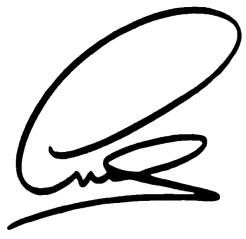 Lewis
Hamilton began his career in karting in 1993. In 1998, Ron Dennis
signed him up for the McLaren Driver Development Program. Lewis
Hamilton began his career in karting in 1993. In 1998, Ron Dennis
signed him up for the McLaren Driver Development Program.
But first he earned his spurs in the British Formula Renault in 2001 and took first place there in 2003.
In
2004, he raced in the Formula 3 Euroseries and became champion the
following year with 15 wins in 20 races. In 2006 he switched to the GP2
series, which Lewis Hamilton won at the first attempt.
So in 2007
Lewis Hamilton was hired by McLaren for Formula 1. In his very first
year he was able to achieve 4 victories, plus 8 more podium finishes,
which earned him the runner-up title behind Kimi Räikkönen.
In the following season followed the first world championship title with a total of 5 season wins.
From
2009 McLaren could no longer keep up with the competition and Lewis
Hamilton finished the following four years in 4th and 5th place
respectively.
The switch to Mercedes followed - a move of great
significance. Although he only managed to finish 4th in his first year
for Mercedes, in the following years Mercedes advanced to become the
dominant racing team with Lewis Hamilton at the helm. In the next seven
years Lewis Hamilton became world champion six times, only in 2016 he
had to admit defeat to his teammate Nico Rosberg.
On the way to
these seven world titles, Lewis Hamilton pulverized just about every
record, and by the end of the 2021 season he had turned in the final
race with his eighth world title in sight - a milestone that no Formula
1 driver before him had ever achieved. But then he was caught on the
last lap by Max Verstappen, who benefited from a tire change and the
release of the race after a safety car period. Max Verstappen became
world champion, Lewis Hamilton had to settle for second place.
|
Grand Prix Starts 2007-2021: 288
Grand Prix Wins: 103
Top Three Ranking: 182
Pole Positions: 103
Total points: 4165,5 |
|
| 2007 | 2nd place | 2008 | 1st place | 2009 | 5th place | 2010 | 4th place | 2011 | 5th place |
| 2012 | 4th place | 2013 | 4th place | 2014 | 1st place | 2015 | 1st place | 2016 | 2nd place |
| 2017 | 1st place | 2018 | 1st place | 2019 | 1st place | 2020 | 1st place | 2021 | 2nd place |
SEBASTIAN
VETTEL (1987)
-----
World Champion 2010, 2011, 2012, 2013 |
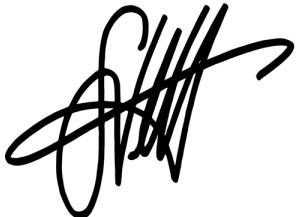 The formula 1 driver Sebastian
Vettel was born in Heppenheim in 1987. He began his driving career already
at the age of seven and could make important experiences for the future.
To his first success belong winning in cart races and in the formula BMW. The formula 1 driver Sebastian
Vettel was born in Heppenheim in 1987. He began his driving career already
at the age of seven and could make important experiences for the future.
To his first success belong winning in cart races and in the formula BMW.
In 2005 he changed to the formula 3 Euroserie where he could win first
race in 2006.
He was able to get in touch with the formula 1 as a test driver for
BMW Sauber in 2006 for the first time.
Already one year later he made his debut in the formula 1 as Robert
Kubica had to fail some races because of an injury. Already with his first
race he made his way to his first point with position eight and is with
it the youngest driver so far who was able to win a point in the formula
1.
Finally he transferred to Toro Rosso in the same year.
There he conquered his first pole position of his career in 2008 and
is with it the youngest driver of the formula 1 who managed to do so. To
this success he let follow his first formula 1 race triumph and is with
it of course again the youngest driver in history.
Sebastian Vettel went to Red Bull in 2009 and was able to win four races
at that year and became vice world champion behind Jenson Button.
The height of his career followed in 2010 when he conquered with impressive
efforts and a total of five race wins - especially in the second part of
the season his first world champion title against Fernando Alonso. Again
Sebastian Vettel is the youngest driver to achieve this goal.
In the next three years, Sebastian Vettel again became Formula 1
world champion, making him one of the legends of the sport.
|
Grand Prix Starts
2007-2021: 279
Grand Prix Wins: 53
Top Three Ranking: 122
Pole Positions: 57
Total points: 3061 |
|
| 2007 | 14th place | 2008 | 8th place | 2009 | 2nd place | 2010 | 1st place | 2011 | 1st place |
| 2012 | 1st place | 2013 | 1st place | 2014 | 5th place | 2015 | 3rd place | 2016 | 4th place | | 2017 | 2nd place | 2018 | 2nd place | 2019 | 5th place | 2020 | 13th place | 2021 | 12th place |
NICO ROSBERG (1985)
-----
World Champion 2016 |
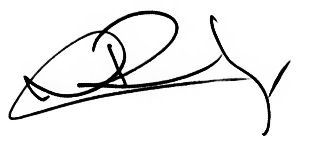 Like Lewis Hamilton, Nico Rosberg began his career in kart racing, where he first competed at the age of 11. Like Lewis Hamilton, Nico Rosberg began his career in kart racing, where he first competed at the age of 11.
In
2000, he competed in the European Formal A Championship and finished
second behind Hamilton. He then raced in the Formula Super A category.
In
2002, he switched to German Formula BMW, where he drove for his
father's team - Formula 1 World Champion Keke Rosberg. The next year
Nico Rosberg was in Formula 3, where he competed for the last time
under the Finnish flag. From 2004 onwards, he drove all his races as a
German.
GP2 in 2005 was his last stop before he joined Formula 1
the following year and drove for the Williams team for the next four
years. In those four years he only made the podium twice, his best
World Championship finish being 7th in 2009.
He switched to
Mercedes in 2010, where he continued to wait for a breakthrough in the
early years. He did make it onto the podium three times, but it was not
until 2012 that he celebrated his first Formula 1 victory. In 2013, two
more wins and two podiums followed and he finished the season in 6th
place - his best finish so far.
In 2014, Mercedes took over the
reigns in Formula 1 and Nico Rosberg and Lewis Hamilton each made up
the world championship title in the following years. In 2014 with 5
wins and in 2015 with 6 wins, Nico Rosberg was runner-up each time, but
in 2016 he finally achieved the long hoped for success and he knocked
Lewis Hamilton off the world champion throne with 9 wins and 7 more
podiums.
In a complete surprise, Nico Rosberg announced his retirement from Formula 1 in December 2016.
After
his sports career, Nico Rosberg came to the fore with his commitment to
the environment and is an investor in the popular TV show "Die Höhle
der Löwen" (The Lion's Den), where he primarily invests in start-ups
with sustainable goals.
|
Grand Prix Starts
2006-2016: 206
Grand Prix Wins: 23
Top Three Ranking: 57
Pole Positions: 30
Total points: 1594,5 |
|
| 2006 |
17. Platz |
2007 |
9. Platz |
2008 |
13. Platz |
2009 |
7. Platz |
2010 |
7. Platz |
| 2011 | 7. Platz | 2012 | 9. Platz | 2013 | 6. Platz | 2014 | 2. Platz | 2015 | 2. Platz | | 2016 | 1. Platz | | | | | | | | |
MAX VERSTAPPEN (1997)
-----
World Champion 2021 |
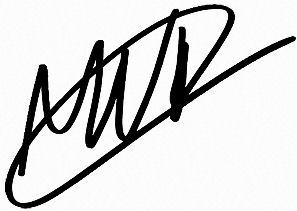 Max
Verstappen started his career at the age of 8 in karting, where he
raced in the Benelux until 2009. In 2010, he moved to the international
karting scene, where he became KF3 class champion in 2010 and 2011. Max
Verstappen started his career at the age of 8 in karting, where he
raced in the Benelux until 2009. In 2010, he moved to the international
karting scene, where he became KF3 class champion in 2010 and 2011.
In
2014, Max Verstappen raced in Formula 3 and achieved ten wins and
finished third overall. His driving style caught the eye and he was
accepted into the development programme by Red Bull.
Also in 2014,
he was able to participate in Formula 1 for the first time as a test
driver for Toro Rosso, and the following year he became a permanent
driver at Toro Rosso. He thus became the youngest Formula 1 driver of
all time at the age of 17. He finished the season in 12th position.
In
2016 he was again with Toro Rosso, but only for four races, before he
was taken over by Red Bull in exchange for Daniil Kwjat. Max Verstappen
took the opportunity to race in a much better car and he celebrated his
first Formula 1 victory and also finished on six other podiums. He
finished the season in 5th place.
In 2017 and 2018, Red Bull
still lagged well behind Mercedes. Max Verstappen managed 4 wins and 11
other podiums in those two years. He finished the world championships
in 6th and 4th place respectively.
From 2019, Red Bull became
competitive again and Max Verstappen managed a total of 5 wins and 15
podiums in 2019 and 2020. He finished each year in 3rd place.
The
big moment came in 2021, when Max Verstappen's Red Bull was on a par
with Lewis Hamilton's Mercedes and the world championship swung back
and forth, offering more excitement than it had in a long time. The
duel culminated in the very last race, where Max Verstappen overtook
Lewis Hamilton on the very last lap to snatch away what he thought was
a certain victory and his 8th world championship title. With 10 wins
and 8 second places, Max Verstappen became world champion.
|
Grand Prix Starts
2015-2021: 141
Grand Prix wins: 20
Top Three Ranking: 60
Pole Positions: 13
Total points: 1557,5 |
|
| 2015 | 12th place | 2016 | 5th place | 2017 | 6th place | 2018 | 4th place | 2019 | 3rd place |
| 2020 | 3rd place | 2021 | 1st place | | | | | | |
|